Why MAXUM Fitness Uses 11-Gauge Steel for Our Power Racks
When you’re investing in a power rack, you’re not just buying a frame – you’re trusting it with your safety. That’s why we don’t treat steel thickness like a marketing bullet point. We specify it clearly, engineer around it intentionally, and build our racks with 11-gauge steel for a reason.
If you’ve been researching squat racks, you’ve probably noticed one thing: serious buyers always ask about steel gauge. That’s because material thickness directly impacts stability, load capacity, and long-term durability. So let’s break down why an 11-gauge steel power rack is the smart, balanced choice for real training.
What 11-Gauge Steel Actually Means
Steel gauge works in reverse; the lower the number, the thicker the steel.
- 14-gauge = thinner, budget-tier
- 11-gauge = thicker, commercial-grade sweet spot
- 7-gauge = extremely thick, overbuilt for most home gyms
11-gauge steel delivers serious structural integrity without unnecessary bulk. This is the same thickness commonly found in commercial gym equipment. It’s not “entry-level.” It’s not decorative steel. It’s designed to hold real weight under real training stress.
The 11-Gauge Steel Benefit
1. Stability Under Heavy Loads
When you unrack a heavy squat or bench press inside a rack, lateral flex is the enemy. A properly engineered 11-gauge steel power rack minimizes sway and keeps the structure stable, even under dynamic movement.
That means:
- No noticeable wobble
- No twisting under load
- No compromised confidence mid-lift
2. The Sweet Spot Between Strength and Practicality
You’ll sometimes see brands advertise 7-gauge steel as if thicker automatically means better. Here’s the reality: thicker steel dramatically increases weight and cost – often without meaningful performance benefits for home users.
A rack built with 7-gauge steel costs more to manufacture and ship, is significantly heavier to move or assemble, and doesn’t meaningfully increase safety for most lifters training at home. An 11-gauge steel power rack, on the other hand, hits the sweet spot. Delivering the core strength, stability, and long-term durability while remaining practical for home installation and serious strength training without unnecessary bulk or added cost.
3. Longevity Without Overkill
Your rack should last for years!
The structural durability of 11-gauge steel resists bending under repeated stress, maintains bolt integrity over time, and confidently supports heavy attachments like Smith machines, spotter arms, plate storage, and cable systems. These are the core benefits of 11-gauge steel. Long-term reliability and structural strength without overengineering the entire system or adding unnecessary bulk.
4. Transparency
Some brands avoid listing their steel gauge altogether. That’s usually a red flag.
We specify 11-gauge steel, so you know exactly what you’re buying. When a company avoids material details, it often means they’re cutting corners.
At MAXUM, we build racks that are the backbone of your home gym — not something you outgrow or question six months later.
Serious Steel Standard for Home Lifters
In the U.S., most home gyms live in garages or basements. That means:
- Variable temperatures
- High humidity and moisture levels
- Concrete floors
- Real-world heavy lifting
An 11-gauge steel power rack handles those environments confidently. It’s strong enough for advanced lifters pushing progressive overload, but practical for homeowners assembling and relocating equipment when needed.
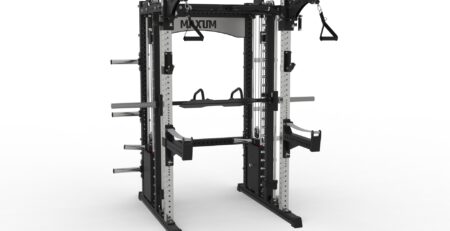
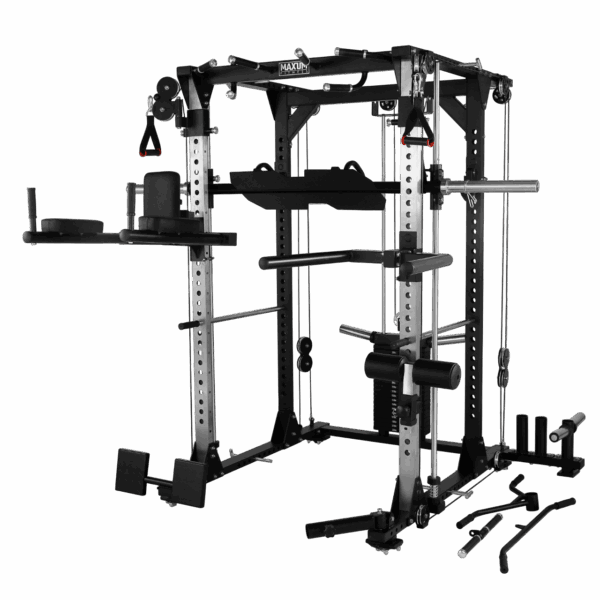
You don’t need industrial warehouse steel. What you need is engineered strength. At MAXUM Fitness, when we design our power racks, like the MAXUM X2 Functional Trainer Power Rack Home Gym, we’re building equipment that earns trust rep after rep, so you can lift with confidence knowing the equipment is engineered to earn your trust.
Behind the scenes, our production team also conducts frequent quality assurance testing to ensure the steel integrity stays consistently up to standard, so every rack leaving our facility meets the same level of strength and reliability.