Best Olympic Barbell and Weight Set for Home Gyms: What to Look For
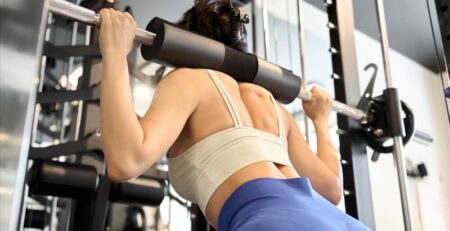
A barbell setup can be the center of a home gym. Squats, presses, deadlifts, rows, lunges, and more all start there.
But not every Olympic barbell and plate set is the same. If you are shopping for your first setup or upgrading from entry-level equipment, it helps to know what matters before you buy.
The goal is not to chase specs for the sake of it. The goal is to choose a bar and plate set that fits your training, your space, and the weight you plan to use over time.
Start with the basics of an Olympic barbell
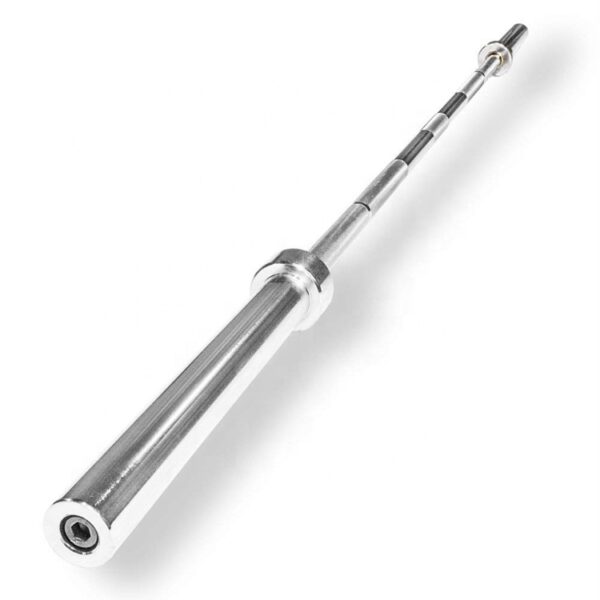
An Olympic barbell uses 2-inch sleeves and works with Olympic weight plates. That is the standard for most serious home gym setups. When comparing bars, look at a few key factors.
Load capacity
This tells you how much weight the bar is built to handle. If you plan to train with barbell compounds for years, buy a bar that gives you room to progress.
Knurl
Knurl is the pattern on the handle that helps with grip. Some lifters want more grip for heavy pulling and pressing. Others want a feel that is easier on the hands. The right choice depends on your training style and preference.
Sleeve rotation
The sleeves should rotate smoothly. This matters more as weight goes up and becomes more noticeable on lifts where bar path and hand position matter.
Finish
Finish affects feel and maintenance. Some finishes need more upkeep than others. Think about where the bar will live, especially if you train in a garage where moisture can affect steel over time.
Think about how the bar will be used
A lot of buyers focus only on the number on the product page. A better approach is to think about how you actually train.
If your setup is built around squats, presses, rows, and deadlifts, you want a bar that feels solid across those lifts. If you train several times per week and plan to keep adding weight, buy a bar that supports that path.
Also consider who will use it. If more than one person trains in the home gym, the best bar is often the one that works well across a range of lifts and strength levels.
This is why it helps to choose a bar that is not just good enough for now, but still makes sense as your training moves forward.
Choosing the right weight plates
Once the bar is covered, the next step is plates.
The first question is how much total weight you need. Many buyers start with a set and then add more later. That works well as long as the initial setup covers your current program.
Next, think about plate style.
Iron plates are a common choice for strength setups. They are direct, easy to load, and work well for most home gym training.
Bumper plates can make sense if you want a quieter setup or train in a space where floor protection matters more. They also change storage needs because they take up more room on the sleeve than iron plates at the same total weight.
Whichever route you take, make sure the plates match your space, your lifting style, and your storage plan.
Do not overlook collars and storage
A good barbell setup is more than just bar plus plates. Collars matter because they keep the load secure. This becomes more important on home gym floors, in garage setups, and during lifts where the bar may shift.
Storage matters too. Weight plates left on the floor make training harder and create clutter. Plate trees, rack-mounted storage, or built-in storage posts can help keep the setup easier to use. If your goal is to train consistently, small details like this matter more than people think.
Match the setup to your home gym
Your barbell setup should fit the rest of your gym.
If you already have a rack, check the space around it. Make sure the bar length works with your rack width and training area. If you train in a tighter room, think through loading space on each side before you buy.
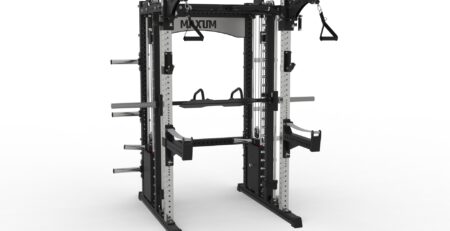
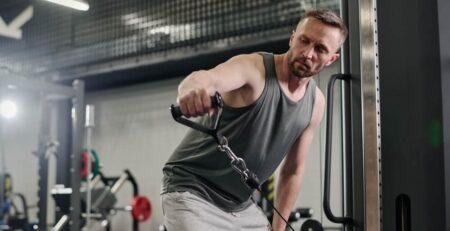
If your setup includes a Smith machine, functional trainer, or adjustable bench, your free-weight barbell work should still have a clear role. For many lifters, that means using the barbell for squats, deadlifts, rows, presses, and overload work, while machines and cables support accessory training.
This kind of mix often works well because it gives you structure and variety in one space.
Buy for the training you want to keep doing
The best Olympic barbell and weight set is the one that supports years of use, not just the first few months.
Choose a bar with the right feel, enough load capacity, and a finish that fits your training space. Choose plates that match your goals, your floor, and how much weight you need now. Then build from there.
A solid barbell setup gives you one of the most useful tools in any home gym. If you buy with purpose, you will use it for almost every phase of training.
That is what makes it worth getting right.